
Windproof outdoor furniture: stop it blowing away

Choose heavy, low-profile pieces or securely anchor lighter items — that’s the fastest way to keep your outdoor furniture in place when the wind picks up. Weather-resistant patio furniture made from recyclable resin, cast metal, or hardwood gives you a solid starting point, but even the best pieces need a little help on exposed Australian sites.
Do these five things right now:
- Choose heavier or low-profile furniture — pieces that sit close to the ground with a small footprint resist gusts far better than tall, lightweight frames.
- Anchor or weigh down what you have — ground stakes, furniture straps, or sandbags placed through or around legs make a real difference on any surface.
- Close and store umbrellas when wind picks up, even briefly; an open canopy acts like a sail and can topple the whole table.
- Cluster and stack lightweight chairs against a wall or fence so they brace each other rather than scatter.
- Fit covers with tie-downs rather than loose tarps, which can lift and become a hazard in their own right.
For a weather resistant, low-maintenance option that ticks most of these boxes from the start, Ketergroup’s recyclable resin furniture is worth a close look — it combines practical weight, weather resistance, and easy assembly for Australian backyards.
Key takeaways
Heavy, low-profile furniture combined with fitted tie-down covers and at least one anchoring method gives you the most reliable protection against wind damage in Australian outdoor settings.
| Point | Details |
|---|---|
| Choose weight and low profile | Heavy, low-profile pieces with wide bases resist wind without needing extra anchoring on most sites. |
| Anchor with two methods | Combine weights or sandbags with straps or stakes for reliable hold across concrete, deck, turf, and pavers. |
| Fitted covers beat loose tarps | Tie-down covers with elastic hems or buckle straps prevent uplift; loose tarps can become a hazard in gusts. |
| Store cushions before wind events | Cushions are the lightest, most vulnerable items — bring them inside or into a deck box before forecast wind. |
| Ketergroup resin suits windy sites | Weather resistant, recyclable resin pieces like the Daytona Lounger and Sunny Beach Chair offer low-profile stability with minimal maintenance. |
Table of Contents
- Why wind moves your outdoor furniture around
- Which furniture types and materials work best in windy areas
- How to anchor and weigh down furniture on any surface
- What to check before buying furniture for a windy site
- When to store, stack, or cover your furniture in Australia
- Why recyclable resin furniture suits windy Australian backyards
- What actually works in Australian backyards
- Ketergroup’s weather resistant outdoor furniture range
- Sources
- FAQ
Why wind moves your outdoor furniture around
Wind doesn’t travel in a straight line across your backyard. When a gust hits a fence, wall, or corner of your house, it splits, accelerates, and creates eddies — swirling pockets of pressure that can push furniture sideways, lift it, or spin it unpredictably. The pressure difference between the windward and leeward sides of a piece of furniture is what actually moves it, and that force increases sharply as wind speed rises.
Australian backyards face a few specific patterns worth knowing. Coastal areas deal with strong afternoon sea breezes that arrive reliably from late spring through summer, while inland regions get dry, gusty winds in autumn and spring. Severe thunderstorm outflows can hit suburban yards with sudden, short-duration gusts that catch you off guard regardless of the season.
The “sail effect” is the biggest design problem. A large patio umbrella, a full outdoor cover left loosely draped, or a tall chair back with solid panels all catch wind like a canvas. Slatted surfaces, by contrast, let air pass through and dramatically reduce the force on the frame. Low-profile furniture with a wide, stable base keeps the centre of gravity close to the ground, which is why a sun lounger rarely blows over while a bar stool does.
Pro Tip: Hold a sheet of paper or a small flag at different spots around your yard on a breezy afternoon. Watch where it flutters most violently — those are your high-pressure zones. Position heavy furniture there and keep lightweight pieces in calmer corners.
Which furniture types and materials work best in windy areas
The best materials for windy sites are cast metal, recyclable resin, and dense hardwood like teak — in that order for sheer stability. Each has trade-offs, and the right choice depends on how exposed your site is and how much maintenance you’re willing to do.
Material comparison for wind performance:
| Material | Weight | Corrosion resistance | Maintenance | Wind-wise design |
|---|---|---|---|---|
| Cast iron/steel | Very heavy | Moderate (rusts without coating) | Medium (repaint periodically) | Excellent — stays put |
| Recyclable resin | Medium-heavy | Excellent | Very low | Good — moulded low profiles available |
| Teak/hardwood | Heavy | Good (natural oils) | Medium (oil annually) | Good — dense grain resists flex |
| Aluminium | Light-medium | Excellent | Very low | Fair — needs anchoring on exposed sites |
| HDPE (poly-lumber) | Medium | Excellent | Very low | Good — weather resistant and low upkeep |
| Lightweight fabric/wicker | Light | Poor-moderate | High | Poor — high sail effect, needs anchoring |
For outdoor furniture materials guidance specific to Australian conditions, the key design features to prioritise are: a low centre of gravity, a smaller footprint, slatted or open-weave surfaces, and stackable frames that can be nested together when not in use.
Fabrics matter too. Solution-dyed and antimicrobial-treated outdoor fabrics resist UV fading and mildew, while quick-dry foam prevents cushions from holding water and degrading — both qualities that extend the life of your outdoor seating in coastal and humid conditions.
Pro Tip: When shopping in store, pick up a chair and shake it. Loose joints, rattling hardware, or flex in the frame are warning signs. Stainless steel fasteners and powder-coated frames are the details that separate furniture lasting two seasons from furniture lasting ten years.
How to anchor and weigh down furniture on any surface
The most reliable approach combines at least two methods: add weight to the piece itself, then connect it to a fixed point or the ground. Using just one method leaves a gap that a strong gust can exploit.
- Assess your surface first. Concrete, timber decking, pavers, and turf each need a different anchoring approach — choose the method that suits your surface before buying hardware.
- Concrete and paved areas: Use furniture leg weights or sandbags looped through chair legs. For tables, bolt-down anchor plates drilled into concrete give the most secure hold. Rubber-footed weights protect the surface from scratching.
- Timber decks: Threaded deck inserts (barrel nuts recessed into the decking) let you bolt furniture down without damaging the structural boards. Avoid drilling through joists without checking load limits. Furniture straps clipped to deck railings work well for renters who can’t drill.
- Turf and garden beds: Ground stakes with looped tops are the simplest option. Drive them at an angle away from the furniture leg, then connect with a short strap or bungee rated for the load. Auger-style stakes hold better in soft soil than straight spikes.
- Pavers: Non-marking rubber weight bags placed on lower frame rails or through leg channels keep pieces stable without damaging the surface. These are also ideal for renters.
- Tie-downs for tables: Run a ratchet strap or furniture strap under the table apron and clip to a fixed point on the deck or fence post. Secure tie-down table covers also reduce uplift by keeping the cover from acting as a secondary sail.
- Umbrella anchors: Fill the base to its rated capacity — most manufacturers specify a minimum base weight for a reason. In exposed spots, a secondary ground stake through the base adds meaningful stability.
- Cluster weighting: Group chairs around a central table and connect them with a single strap loop. The combined mass resists movement far better than each piece standing alone.
Combining multiple securing methods — weights plus anchors plus clustering — gives you the best outcome across different wind conditions.
Pro Tip: Check all hardware, straps, and anchor points at the start of each season. UV exposure and moisture degrade nylon straps and corrode cheaper fasteners faster than most people expect. Replace anything that shows fraying, rust, or brittleness before the windy season arrives.
What to check before buying furniture for a windy site
The top three filters when buying for a windy site are weight, profile height, and hardware quality. Get those right and most other problems become manageable.
Buyer checklist:
- Weight and centre of gravity: Heavier pieces with a low centre of gravity are harder to tip. Lift the piece in store — if it feels light, it will need anchoring on any exposed site.
- Footprint and profile: Wide bases and low seat heights reduce leverage. Avoid tall, narrow frames for open areas.
- Join and hardware quality: Look for stainless steel or marine-grade fasteners. Fitted frames and quality hardware are the unsung heroes of long-term outdoor durability.
- Finish: Powder-coated metal resists chipping and rust. Sealed or oiled timber handles moisture better than untreated wood. Resin needs no coating at all.
- Fabric type: Choose solution-dyed, quick-dry fabrics for cushions. They resist UV fading, dry fast, and don’t hold mildew.
- Ease of anchoring: Check whether the frame has leg channels, cross-bars, or strap points you can use without drilling.
- Stackability and storage: Chairs that stack neatly take up less space when stored and are easier to bring inside quickly before a storm.
Umbrellas and parasols deserve special attention. A base weight rated for your umbrella’s canopy diameter is non-negotiable — undersized bases tip in moderate gusts. Tilt mechanisms that lock firmly are safer than loose-tilt models. Close and store your umbrella whenever wind picks up, even if it’s only a brief gust. For compact outdoor spaces like balconies, a wall-mounted or cantilever umbrella with a fixed bracket is a more stable option than a freestanding pole.
When to store, stack, or cover your furniture in Australia
The single most effective action is to bring cushions inside or into a deck box before a forecast wind event — they’re the lightest, most vulnerable items and the easiest to protect.
Seasonal checklist for Australian conditions:
- Autumn (March–May): Australia’s autumn winds can repeatedly move furniture and cause dust and surface wear. Fit tie-down covers on tables and chairs you’re leaving out. Stack chairs against a sheltered wall.
- Summer storms: Move lightweight pieces inside or into a shed before a storm warning. Fold and store umbrellas. Bring cushions indoors.
- Coastal summer: Salt air accelerates corrosion on metal frames and hardware. Rinse furniture with fresh water monthly and dry before covering.
- Winter rains: Simple seasonal care — fitted covers, light sanding and oiling for timber, and storing cushions — protects furniture from sun, rain, and wind across all seasons.
Fitted tie-down covers outperform loose tarps in every windy condition. A loose tarp catches air underneath and can lift the furniture it’s meant to protect, or become a projectile itself. Look for covers with elastic hems, buckle straps, or drawstring closures that pull tight under the frame.
For cushions and small accessories, a deck box or outdoor storage solution keeps everything dry, tidy, and ready to bring back out when conditions settle.
Why recyclable resin furniture suits windy Australian backyards
Recyclable resin offers a practical balance of weight, weather resistance, and near-zero maintenance that suits most Australian outdoor settings. It doesn’t rust, doesn’t need oiling, and holds its colour without repainting — which matters when salt air, UV, and seasonal gusts are all working against your furniture at once.
Ketergroup’s approach centres on weather resistant resin that’s built to handle real outdoor conditions. The material is moulded into low-profile, structurally stable shapes that naturally resist the sail effect, and the pieces are designed for straightforward DIY assembly without specialist tools. The recyclable construction also means the material can re-enter the production cycle at end of life, which is a genuine sustainability benefit rather than a marketing claim.
Three Ketergroup pieces that suit different windy-site scenarios:
- The Keter Daytona Outdoor Sun Lounger sits close to the ground with a wide, stable base — exactly the low-profile design that sheds wind rather than catching it. It’s a strong choice for open pool areas or coastal gardens where gusts arrive from multiple directions.
- The Keter Sunny Beach Chair is a portable, stackable option well suited to terraces, balconies, and smaller patios. Stack them together when not in use and they’re far less likely to scatter in a sudden gust.
- The Rosalie 2 Seater Sofa works best in a sheltered corner or against a wall, where its weight and low profile combine with the natural windbreak the structure provides.
All three can be stabilised without drilling. Run a furniture strap through the leg channels or place sandbag weights along the lower frame rails — both methods hold well on pavers, decking, and turf without marking the surface.
Pro Tip: For resin pieces on a timber deck, place rubber furniture pads under each leg before adding any weight. They prevent surface scratching and add just enough grip to reduce lateral movement in lighter gusts.
What actually works in Australian backyards
Most wind damage to outdoor furniture comes down to two overlooked decisions: where you place the furniture, and whether you act before the wind arrives rather than after.
Site arrangement is underrated. Positioning your dining set or loungers in the lee of a fence, pergola, or established hedge cuts the effective wind load dramatically. You don’t need a full windbreak — even a partial barrier on the prevailing wind side makes lighter pieces far more stable. Clustering seating around a central, heavier table adds collective mass that individual pieces lack on their own.
The small changes with the biggest payoff are fitted tie-down covers, rubber furniture pads, and a habit of closing umbrellas whenever you leave the yard. None of those cost much or take long, but they prevent the kind of damage that means replacing a whole setting after one bad storm.
Ketergroup’s weather resistant resin pieces fit naturally into this approach. They’re heavy enough to stay put in moderate conditions, low-profile enough to shed wind by design, and easy enough to move inside or stack when a serious storm is forecast. The evidence in this article consistently points to the same combination: choose the right material and profile, anchor what you can, and act before the wind arrives.
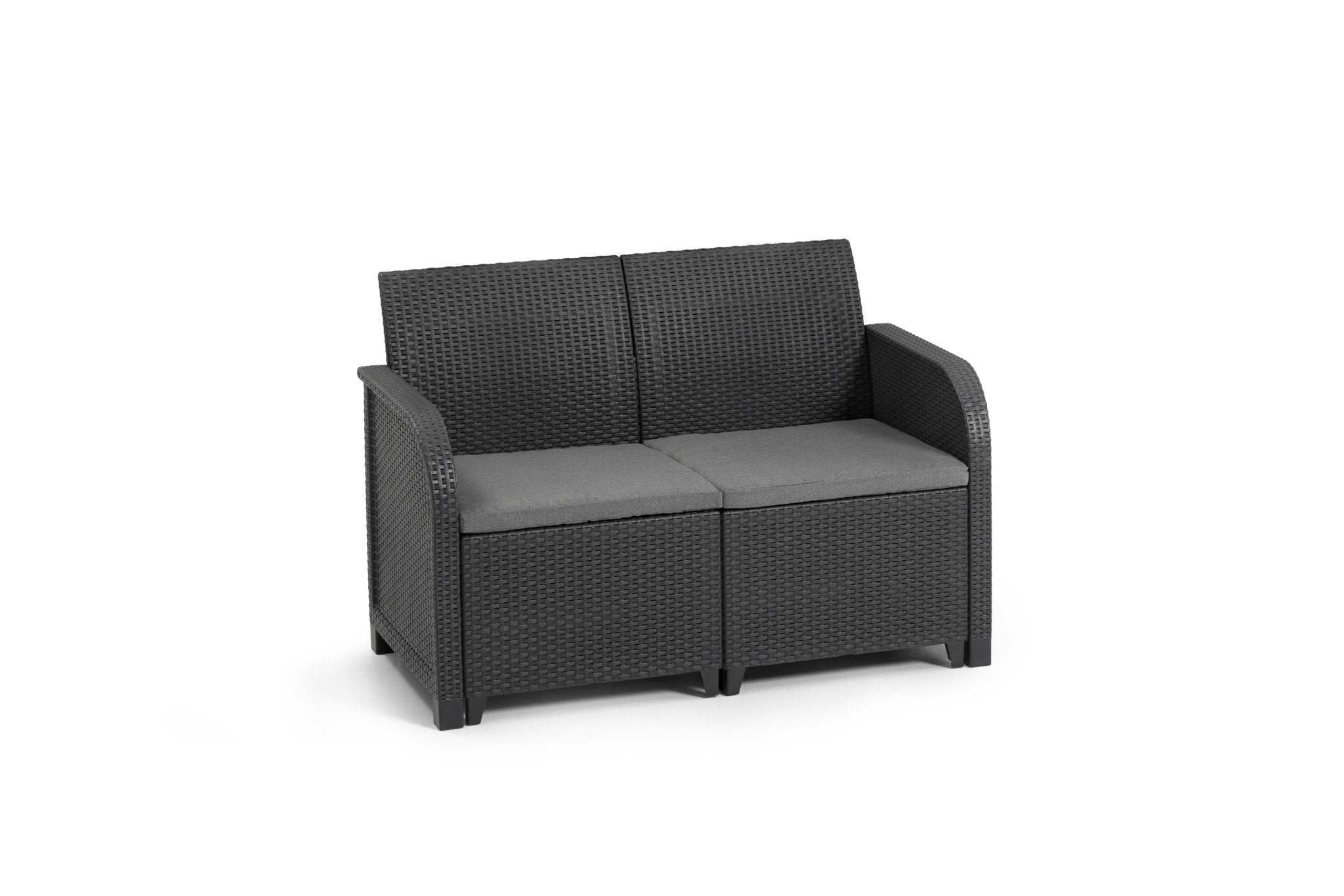
Ketergroup’s weather resistant outdoor furniture range
If you’re ready to replace or upgrade your outdoor setting with pieces built for Australian conditions, Ketergroup’s weather resistant, recyclable resin range is a practical starting point.
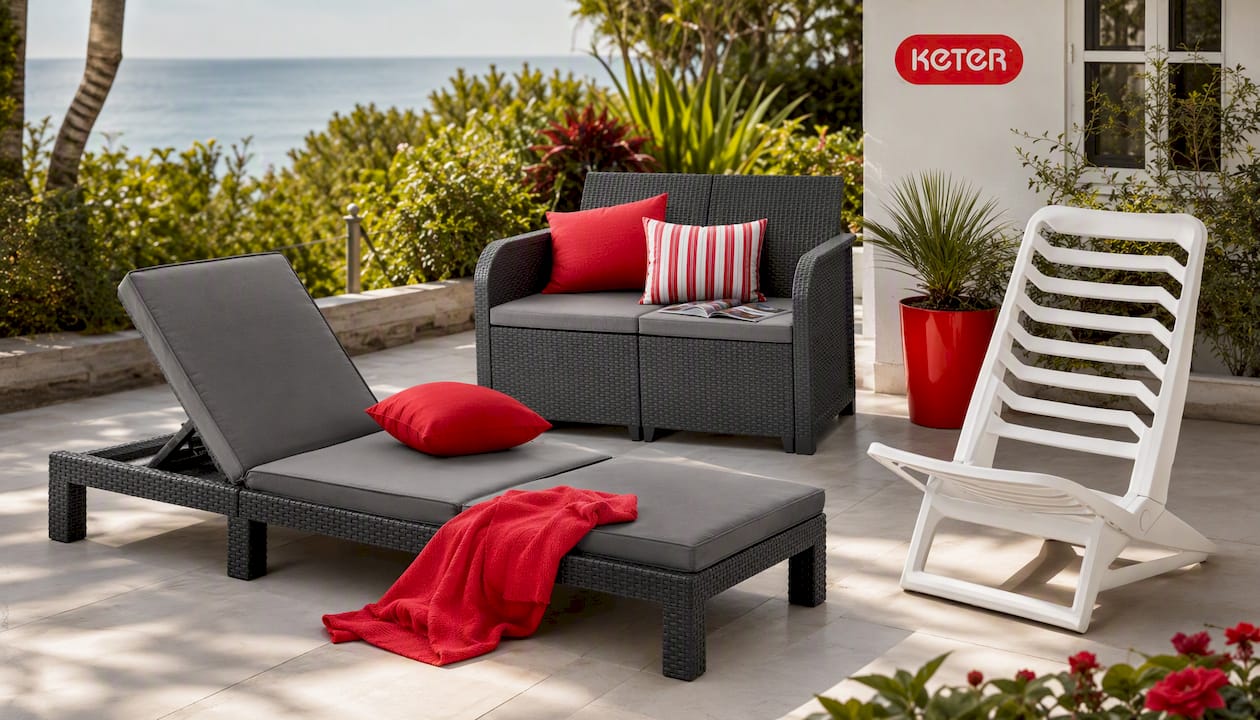
The Keter Daytona Outdoor Sun Lounger is the pick for open, exposed areas — its low profile and wide base keep it stable where taller pieces struggle. The Keter Sunny Beach Chair stacks neatly for easy storage and suits balconies or smaller terraces. For a sheltered patio corner, the Rosalie 2 Seater Sofa delivers comfort and stability in a compact, weather resistant frame. All three are designed for easy DIY assembly, require no painting or sealing, and are made from recyclable materials. Browse the full range at Ketergroup’s outdoor furniture collection and find the right fit for your backyard.
Sources
The following sources informed the practical guidance in this article:
- How To Protect Outdoor Furniture - Bunnings Australia
- Australia’s Autumn Winds Can Damage Outdoor Furniture | Covers & All AU Blog
- Secure Tie-Down Table Covers for Autumn Wind Protection | Covers & All AU
- Microban® technology information — Phifer
- We Talked to the Experts: Our Guide for Patio Furniture that Can Be Left Outside During the Winter
FAQ
What is the best garden furniture for windy areas?
Heavy, low-profile pieces made from cast metal, dense hardwood, or recyclable resin perform best in windy areas. Wide bases and slatted surfaces that let air pass through reduce the risk of tipping or displacement.
How do you keep wind from blowing over patio furniture?
Combine at least two methods: add weight through sandbags or leg weights, and connect the piece to a fixed point using furniture straps or ground stakes. Clustering chairs around a central table also adds collective mass that resists movement.
What is the most weather resistant patio furniture?
Recyclable resin, HDPE (poly-lumber), and powder-coated aluminium all offer excellent weather resistance with low maintenance needs. Resin and HDPE don’t rust or require sealing, making them well suited to coastal and high-humidity Australian conditions.
What outdoor furniture can be left outside all year in Australia?
Recyclable resin, HDPE, teak, and powder-coated aluminium can all remain outdoors year-round with basic care. Fitted tie-down covers, regular rinsing in coastal areas, and storing cushions before major wind or rain events extend the life of any outdoor setting significantly.


