
Stop Mildew, Restore Clarity: Clean Plastic Playhouses in Australia

A warm water and mild dish soap wash, followed by a full rinse and complete drying is the safest way to clean a plastic playhouse and it handles most everyday grime. For stains or mildew, step up to a baking soda paste or hydrogen peroxide, and reserve diluted bleach for stubborn outdoor mould after a patch test. Fixing airflow and drying wet corners afterwards stops the same problem coming back.
TL;DR:
- Regular cleaning with warm water and mild dish soap prevents grime buildup and preserves the plastic’s clarity, while deeper stains require baking soda paste or magic erasers.
- Mildew and mold can be effectively removed with hydrogen peroxide or vinegar solutions, but improving ventilation and drying thoroughly are key for long-term prevention.
- Inspect the playhouse seasonally for cracks, loose hinges, and proper door operation to catch small issues early and maintain safety.
- Proper storage and quick-drying habits after rain, such as propping doors open and elevating the structure, help prevent mold regrowth and moisture damage.
- Using manufacturer-recommended cleaning routines and testing products on hidden areas ensures longevity and safety without risking surface damage.
Table of Contents
- How do you clean a plastic playhouse safely?
- What removes stubborn stains from plastic without scratching it?
- How do you get rid of mould and mildew on a playhouse?
- Can you restore cloudy or faded plastic?
- What should you check during a seasonal inspection?
- How should you store and dry a playhouse to stop mould coming back?
- What does Keter recommend for playhouse maintenance?
- Prioritising playhouse cleaning when time is tight
- Where the Keter Kids Funtivity Playhouse fits into your routine
- Sources
- FAQ
How do you clean a plastic playhouse safely?
Start by clearing the interior. Pull out toys, sweep loose leaves and dirt, and give the whole structure a quick hose down or a shake if it’s small enough to move. This gets rid of loose debris before you introduce water and soap, so you’re not just pushing grit around the surface.
Mix a few drops of mild dish soap into a bucket of warm water. You don’t need anything stronger for routine cleaning, and stronger products only increase the risk of clouding or discolouration over time. A soft sponge or soft-bristled brush handles flat panels well, while an old toothbrush is worth keeping aside for grooves, hinges, and textured grips where dirt likes to hide.
Work from top to bottom so dirty water runs down onto sections you haven’t cleaned yet, not the other way around. Pay extra attention to handles, steps, and any textured non-slip surfaces, since these collect grime faster than smooth walls. Rinse thoroughly with clean water until it runs clear, then dry the playhouse fully, inside and out, before anyone plays in it again.
- Clear the interior and remove loose debris.
- Mix warm water with a small amount of mild dish soap.
- Wash from top to bottom using a soft sponge or brush.
- Rinse until the water runs completely clear.
- Dry fully, including corners and hinges, before returning toys.
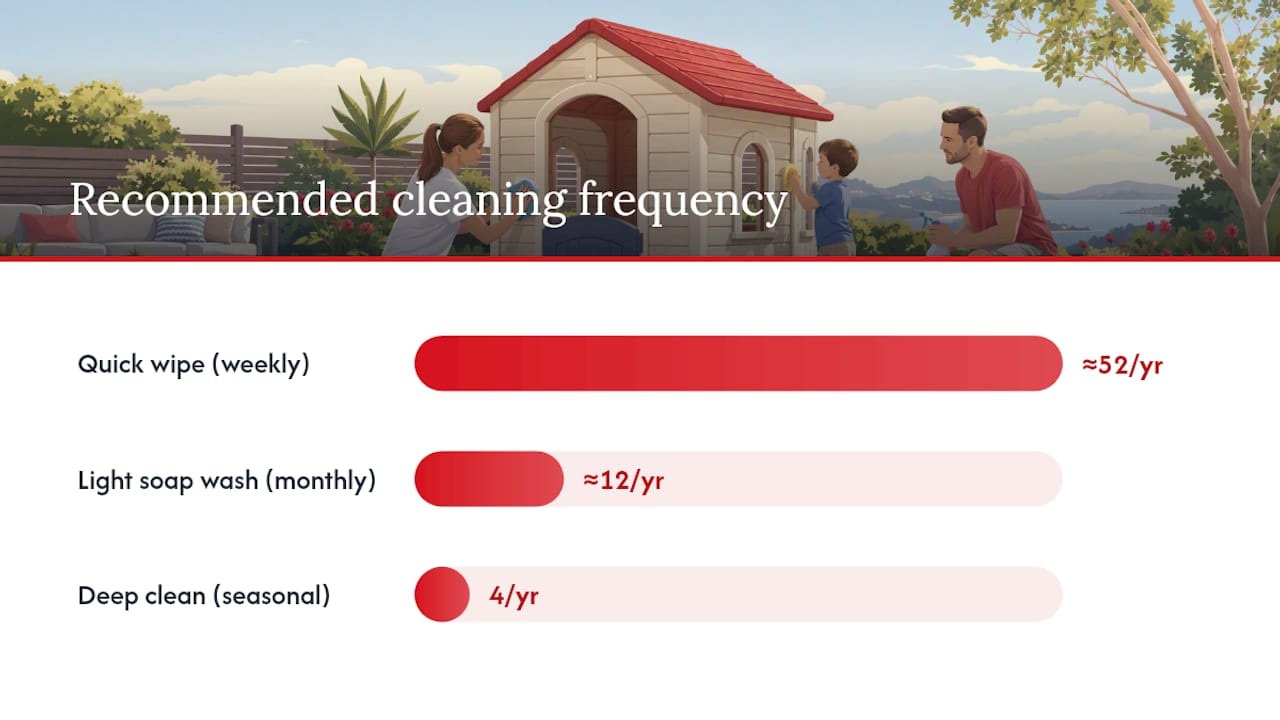
How often you repeat this depends on use. A quick wipe-down weekly keeps grime from building up, a light soap wash once a month handles anything the wipe misses, and a proper deep clean each season catches what’s settled into seams and joints.
Pro Tip: Store your cleaning supplies in a lockable box or on a high shelf, never inside the playhouse itself. Kids explore, and a bucket of soapy water left inside is an invitation.
What removes stubborn stains from plastic without scratching it?
Grass smudges, crayon marks, and scuff lines respond to different treatments, and it pays to start gentle before reaching for anything stronger. Working from mild to strong protects the surface finish and avoids trading one problem for another.
- Baking soda paste: mix baking soda with a little water into a thick paste and rub gently with a cloth. It’s a mild, non-abrasive scouring agent that lifts grime without the discolouration risk that comes with harsher powders.
- Magic eraser: effective on scuffs and crayon, but always test a hidden patch first since these erasers work by micro-abrasion and can dull a glossy finish if overused.
- Vinegar solution: a diluted vinegar and water mix cuts through grease and light residue, and it’s a genuinely eco-friendly option. Rinse well afterwards, as leftover vinegar can leave its own film.
- Commercial plastic cleaner: reasonable for tougher marks, but only after testing on an inconspicuous spot, since formulations vary and some contain solvents that attack resin.
Avoid steel wool, scouring pads, or anything abrasive. Scratches don’t just look bad, they create tiny grooves where dirt and moisture settle in, making the next clean harder than this one.
How do you get rid of mould and mildew on a playhouse?
True mould looks fuzzy or has a greenish-black tinge and often smells musty, which separates it from ordinary dirt that wipes away with soap alone. Check the usual hotspots first: roof eaves, internal corners, and the underside where the base meets the ground, since these areas trap moisture longest and are vital to inspect regularly.
For most cases, 3% hydrogen peroxide is effective and carries less risk of clouding the plastic than bleach. Diluted bleach still has a place for heavy outdoor mildew, but test a small patch first, use the correct dilution ratio, and follow label directions for safe mixing and contact time. Hydrogen peroxide and vinegar are both lower-risk alternatives that remove mildew effectively when paired with thorough rinsing.
- Pre-rinse the affected area to remove loose grime.
- Apply your chosen solution and let it sit wet on the surface for several minutes.
- Scrub crevices and grooves with a toothbrush, then rinse thoroughly.
- Dry completely, using towels and sunlight rather than leaving it damp.
Wear gloves and ventilate the area when mixing bleach, and keep kids and pets well clear until everything’s rinsed and dry.
Mould is really a symptom of trapped moisture rather than a one-off cleaning problem, and improving ventilation is the fix that actually sticks. Prop doors and windows open after rain, and consider whether the playhouse’s spot in the yard gets enough sun and airflow to dry out naturally.
Can you restore cloudy or faded plastic?
Cloudiness usually comes from UV exposure, general oxidisation, or fine surface scratches from abrasive cleaning, and each one responds a little differently to treatment.
- Soak the affected panel in a diluted hydrogen peroxide solution, then scrub gently with a soft cloth, repeating if the haze is stubborn. Hydrogen peroxide often restores clarity with less risk of yellowing than straight bleach.
- Always test a small, hidden section first before treating a visible panel.
- Skip bleach on clear or translucent plastic altogether, and avoid abrasive powders or heavy polishing, both of which grind in fresh scratches rather than removing existing ones.
- If fading is structural rather than surface deep, repainting is worth considering. Test a patch first and follow a proper multi-day cure procedure so the finish doesn’t flake later. Part replacement is the other option when a panel is too far gone to fix.
What should you check during a seasonal inspection?
A quick walk-around every season catches small problems before they turn into safety issues or expensive replacements.
- Check for cracks, splits, or small holes, particularly where moisture pools after rain.
- Test hinges and latches for wear, and tighten or replace loose screws.
- Confirm doors and windows open and close properly, and inspect any attached accessories like flags or letterboxes.
- Use a plastic-safe adhesive for minor cracks, and check the manufacturer’s safety checklist or spare-parts page for anything beyond a simple fix.
Seasonally, that means a deep clean in spring, extra ventilation checks through summer, and either a breathable cover or a move indoors over winter if storage space allows.
How should you store and dry a playhouse to stop mould coming back?
Storage and drying habits do more to prevent mildew long term than any cleaning product. A breathable cover, or moving the structure indoors over the colder months, keeps rain off without trapping condensation the way a plastic tarp can. Where it stays outside, raise it slightly off the ground to stop water pooling underneath.
After rain, prop doors and windows open so air moves through, and towel-dry corners and seams rather than leaving them to dry on their own schedule.
- Lock away bleach and concentrated cleaners well out of reach.
- Keep a separate basin for small toys so children can help without touching harsher products.
- Let kids handle simple wipe-down tasks while adults manage anything involving chemicals.
Pro Tip: Give kids a soft cloth and a basin of plain soapy water for their own toy sets to encourage safe sensory play and involvement in cleaning tasks (Sensory play and child development: a parent’s guide). It teaches good habits early and keeps them well away from anything stronger.
What does Keter recommend for playhouse maintenance?
Manufacturer guidance backs up most of what works at home. Keter’s own advice on anchoring a plastic playhouse so it doesn’t tip or shift in wind pairs naturally with a solid cleaning routine, since a stable structure is easier to inspect and maintain properly.
The same principle applies to any cleaning product you haven’t used before: test it on a hidden patch and follow the instructions for the specific finish. Keter’s resin products are built to be weather resistant and recyclable, and customers consistently report being happy with how straightforward they are to maintain, which matters when you’re the one doing the scrubbing every weekend.
Prioritising playhouse cleaning when time is tight
If you’ve only got five minutes, wipe down handles, steps, and door edges. That’s where hands touch most and where grime builds fastest. With thirty minutes, run the full soap wash and check for anything that needs drying out properly.
Build small habits instead of chasing a perfect clean: wipe high-touch areas after big play sessions, and do a quick visual check for cracks or damp spots weekly. Letting a supervised child handle their own toy basin turns maintenance into something shared rather than another job on your list.
— Liza
Where the Keter Kids Funtivity Playhouse fits into your routine
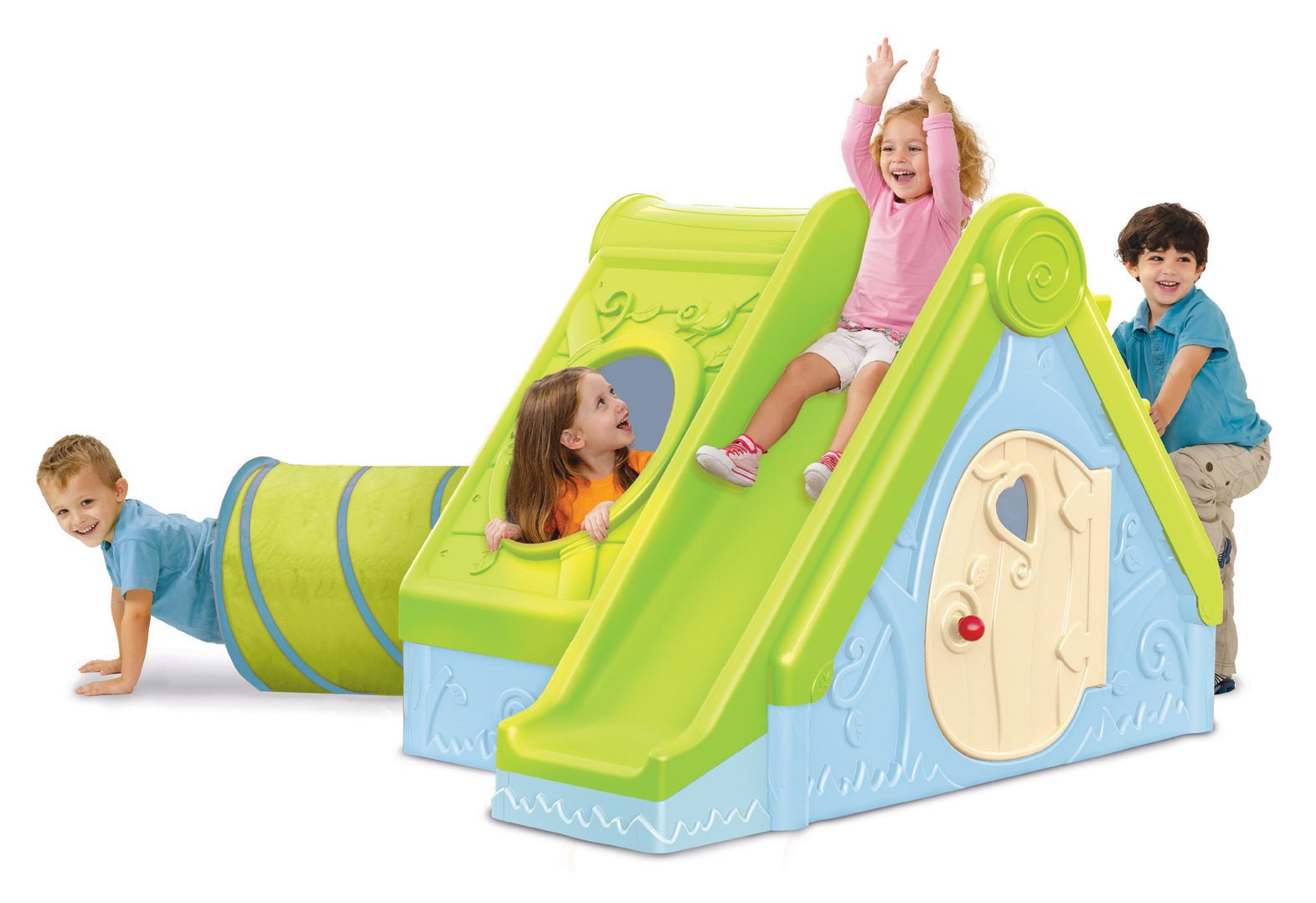
A playhouse that’s simple to clean saves you the headache later, and that’s exactly what the Keter Kids Funtivity Outdoor Playhouse is built for. Its smooth, weather resistant resin panels wipe down easily with the soap and water routine above, without the seams and textured grooves that trap dirt in cheaper builds.
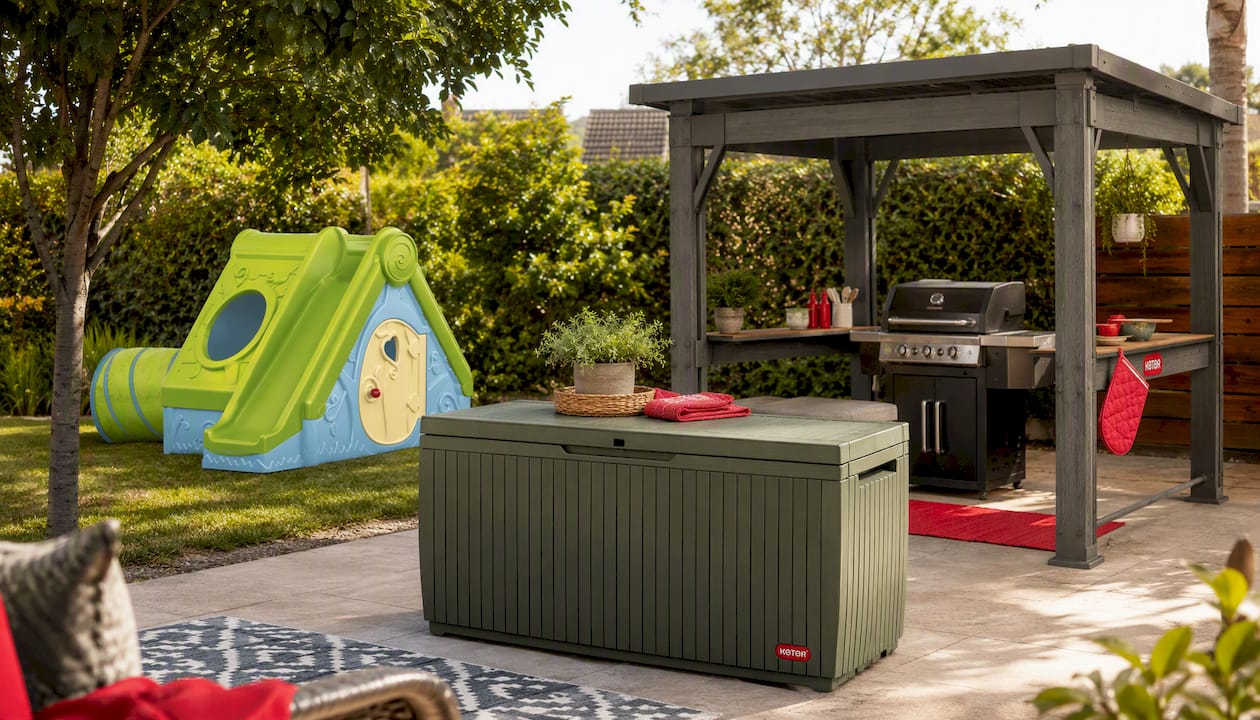
Pairing it with a dedicated spot for cleaning supplies and outdoor toys makes the whole job faster. The Keter Springwood 305L Storage Box keeps sponges, cloths, and mild cleaners dry and out of little hands between clean-ups, while a Keter Grill Gazebo gives you shaded shelter nearby if backyard play days turn into a full afternoon. If you’re setting up a new outdoor play area or replacing a playhouse that’s seen better days, check the Funtivity Playhouse’s specs on the Keter Australia site and see how it fits your yard.
Sources
- How to maintain your cubby house through Australian seasons
- How to clean mildew off plastic: easy steps that work - CleaningBro
FAQ
How do you clean an outdoor playhouse?
Wash it with warm water and mild dish soap using a soft sponge or brush, rinse until the water runs clear, then dry completely before it’s used again.
What cleans plastic without damaging it?
Mild dish soap handles everyday dirt, baking soda paste lifts stubborn marks, and diluted hydrogen peroxide treats mildew, all without the scratching risk that comes with abrasive powders or steel wool.
How do you get cloudy plastic clear again?
Soak the area in a diluted hydrogen peroxide solution and scrub gently with a soft cloth, testing a hidden patch first since results vary depending on how the clouding occurred.
How do you restore faded plastic outdoor toys?
A peroxide soak often helps with surface haze, but if the fading goes deeper, repainting with a proper cure time or replacing the affected part are the more reliable fixes.


