
UV resistant outdoor furniture for Australian sun

For Australian backyards, resin/HDPE and powder-coated aluminium are the most reliable choices for UV resistant outdoor furniture. They hold their colour, resist warping, and need far less upkeep than timber or standard plastics under Australia’s intense sun. Pair either with solution-dyed cushions and quick-dry foam, and you have a setting that can handle full Queensland sun without fading out in a season or two.
Here is what to check on any product page before you buy:
- Material spec: look for HDPE, resin, or powder-coated aluminium listed explicitly, not just “plastic” or “metal”
- Fabric description: the word “solution-dyed” must appear, not just “UV resistant” or “fade resistant”
- Powder-coating detail: a quality spec will mention the coating process or confirm corrosion testing
- Warranty language: check whether UV fade is covered and read the exclusions carefully
Quick action checklist:
- Choose resin or HDPE frames for the lowest maintenance in direct sun
- Select solution-dyed acrylic or Olefin cushions over standard polyester
- Use breathable covers and position pieces under shade where possible to extend colour life
Pro Tip: If a product listing says “UV resistant” but gives no material name, fabric type, or test reference, treat that as a red flag. Genuine UV performance comes from specific material choices, not a marketing label.
Key takeaways
Resin/HDPE and powder-coated aluminium frames paired with solution-dyed cushions and a regular cleaning routine give you the best chance of long-lasting, fade resistant outdoor furniture in Australian conditions.
| Point | Details |
|---|---|
| Choose the right frame material | Resin/HDPE and powder-coated aluminium offer the best UV and corrosion resistance for most Australian sites. |
| Prioritise solution-dyed cushions | Solution-dyed acrylic or Olefin fabric resists fading far longer than standard piece-dyed polyester in direct sun. |
| Check cushion construction | Quick-dry foam, drainage channels, and UV-stable thread extend cushion life as much as the fabric itself. |
| Maintain a regular routine | A quarterly deep clean and annual UV protectant treatment preserves colour and structure across all material types. |
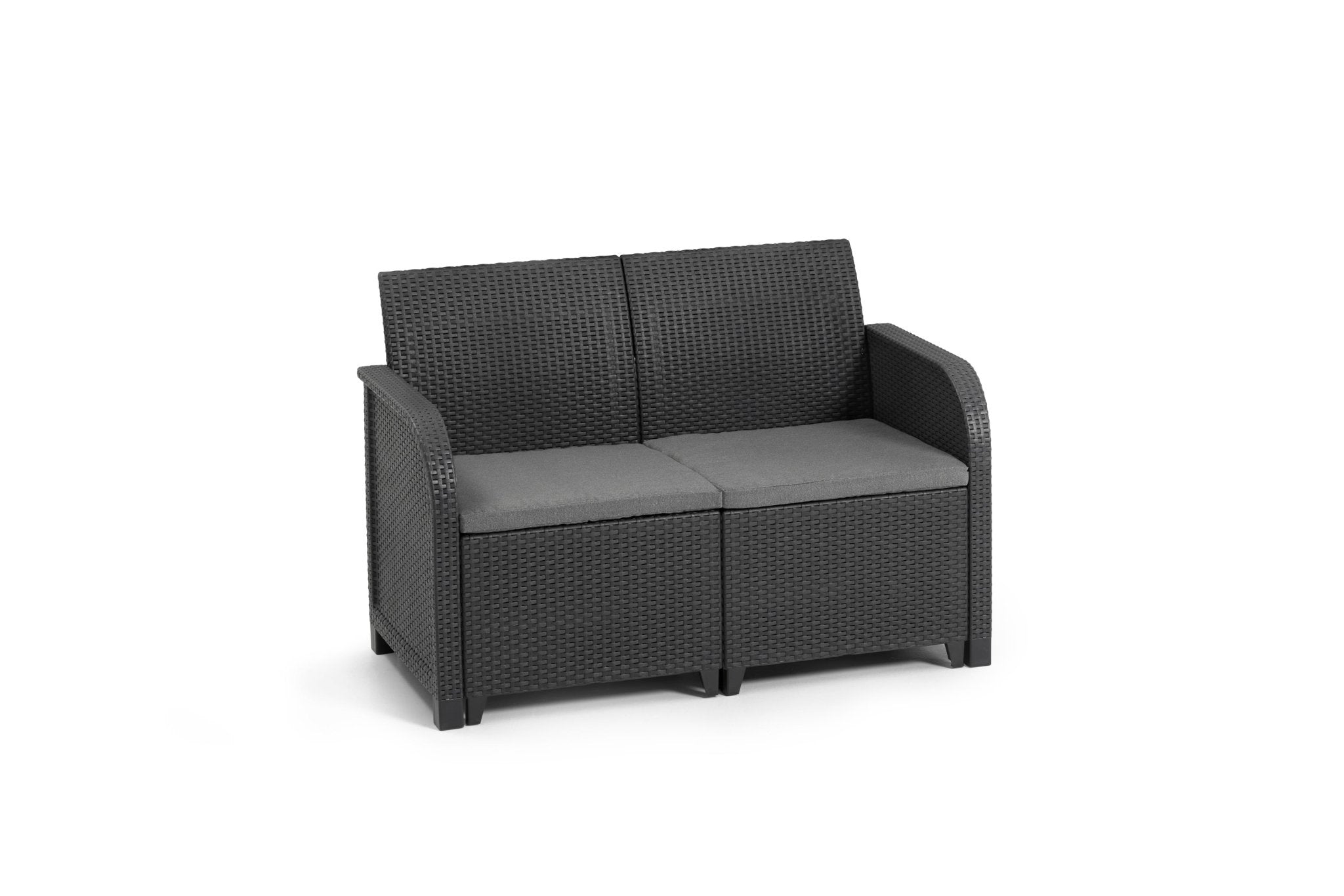
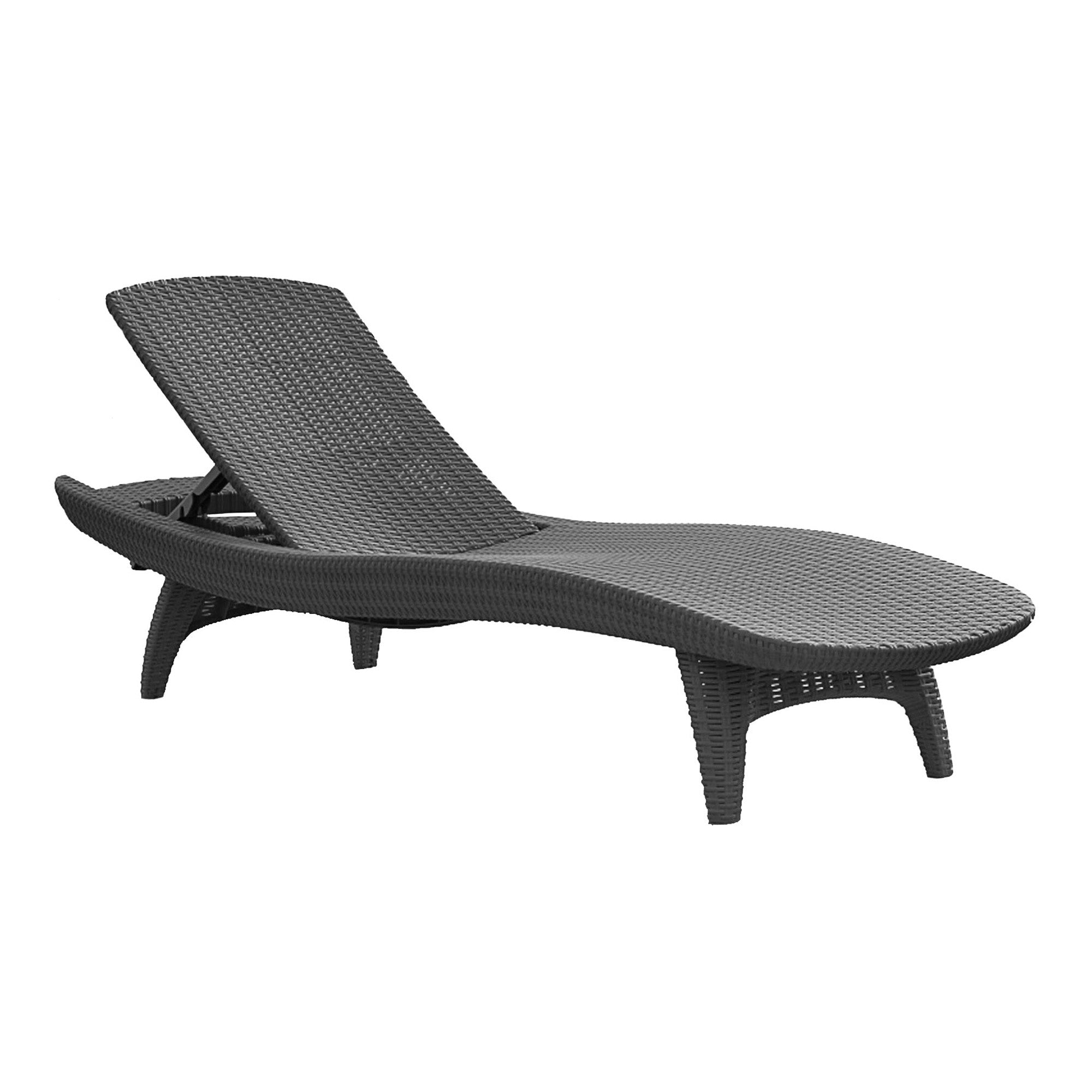
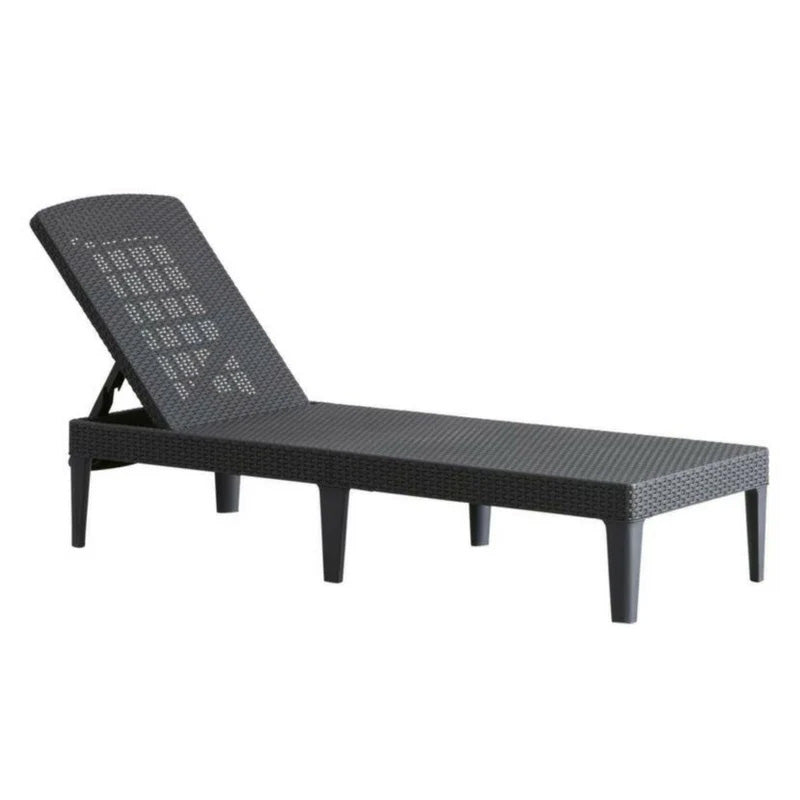
| Ketergroup resin range | The Rosalie sofa, Pacific Sun Lounger, and Jaipur/Marie lounger offer HDPE resin frames suited to Australian sun with low maintenance requirements. |
Table of Contents
- Which materials hold up best under UV and heat?
- What does “UV resistant” actually mean for cushions and fabric?
- How to clean and protect your outdoor furniture year-round
- What to check when you are shopping for sun-resistant furniture
- How long should UV resistant outdoor furniture last in Australia?
- Why Ketergroup resin furniture suits Australian conditions
- Ketergroup furniture built for the Australian backyard
- Sources
- FAQ
Which materials hold up best under UV and heat?
Australia’s UV index regularly reaches 13+ in Queensland and other northern states, which is extreme by global standards. The material your furniture is made from determines how it ages under that kind of exposure, not just how it looks on day one.
Outdoor furniture materials for Australian homes from Ketergroup covers this well, but here is a practical breakdown of how each common material performs.
Resin and HDPE are the standout performers for low-maintenance, sun-resistant patio furniture. High-density polyethylene is UV-stabilised during manufacturing, which means the resistance is built into the material rather than applied as a surface coating. It will not rust, splinter, or absorb moisture. HDPE and engineered plastics resist splitting, cracking, and extensive UV degradation compared with cheaper plastics, making them well suited to hot, dry climates. Resin furniture made from recycled content also carries a sustainability advantage, contributing to a circular economy rather than ending up in landfill.
Powder-coated aluminium is the go-to for anyone who wants a lighter frame with a more refined look. The powder-coat layer resists rust and holds colour well, and aluminium with a quality powder-coat finish resists rust effectively in most Australian conditions. For coastal sites with salt air, look for marine-grade or anodised finishes rather than standard powder-coat alone.
Stainless steel is durable but not immune to salt-air corrosion. Grade 316 stainless handles coastal exposure better than the more common Grade 304. It is heavier and typically more expensive, so it suits permanent installations more than moveable pieces.
Synthetic wicker woven from HDPE performs well in sun and resists the cracking and brittleness that natural rattan develops within a season outdoors. The weave can trap moisture if drainage is poor, so check that the frame underneath is aluminium or resin rather than steel.
Timber requires the most upkeep. Hardwoods like teak and ironbark handle sun better than softwoods, but all timber needs regular oiling or sealing to prevent UV greying and cracking. If you love the look, budget time for an annual treatment.
| Material | UV/fade resistance | Corrosion risk | Maintenance | Longevity (full sun) | Value | Sustainability |
|---|---|---|---|---|---|---|
| Resin/HDPE | Excellent | None | Very low | Long lifespan | High | Recyclable; often recycled content |
| Powder-coated aluminium | Good to excellent | Low (coastal: moderate) | Low | Long lifespan | High | Recyclable |
| Stainless steel (316) | Excellent | Low to moderate | Low | Long lifespan | Moderate | Recyclable |
| Synthetic wicker (HDPE) | Good | Low (frame dependent) | Low to moderate | Moderate lifespan | Moderate | Recyclable |
| Hardwood timber | Moderate (treated) | Low | High | Moderate lifespan with care | Variable | Renewable |
Pro Tip: For coastal Queensland or northern WA, choose powder-coated aluminium with a marine-grade finish or Grade 316 stainless for any metal components. Salt air degrades standard finishes faster than UV alone.
What does “UV resistant” actually mean for cushions and fabric?
The frame material is only half the story. Cushion fabric is often what fades first, and the difference between a cushion that looks good after five Australian summers and one that bleaches out in two comes down to how the colour was applied to the fibre.
Solution-dyed vs piece-dyed is the key distinction. In solution-dyed fabric, pigment is added to the liquid polymer before the fibre is extruded, so colour runs through the entire fibre rather than sitting on the surface. Piece-dyed fabric is coloured after weaving, which means UV and washing gradually strip the surface dye. Solution-dyed fabrics resist fading best because colour runs through the fibre, and solution-dyed acrylic and performance polypropylene (Olefin) are the top choices for outdoor upholstery.
Solution-dyed acrylic, such as Admiral® 100% solution-dyed acrylic from Defab, is engineered for extreme exposure and used in marine applications where UV and salt air are constant. It offers the best long-term colour retention in harsh sun. Olefin (solution-dyed polypropylene) is a strong value alternative: it dries faster than acrylic, resists chlorine well, and suits poolside use at a lower price point. For most Australian buyers, Olefin delivers excellent performance-to-price ratio, while solution-dyed acrylic is worth the premium for pieces in permanent full-sun positions.
Cushion construction matters as much as fabric. Fabric longevity depends on foam type, seam quality, and drainage as much as the visible fabric. Quick-dry reticulated foam allows water to drain and air to circulate, preventing mildew in humid climates. Seams stitched with Tenara thread (a PTFE-based thread) resist UV and moisture degradation far longer than standard polyester thread. Poor seams often fail before the fabric does.
Key insight: A standard 1,500-hour Xenon arc fade test equates to roughly five years of full Queensland sun. That means a fabric rated to that standard may reach its colour-retention limit sooner in Brisbane than the same product used in a temperate European climate.
| Fabric type | UV/fade resistance | Water behaviour | Abrasion (double-rub) | Chlorine/salt tolerance | Price tier |
|---|---|---|---|---|---|
| Solution-dyed acrylic | Excellent | Water repellent | High | Excellent | Premium |
| Olefin (solution-dyed polypropylene) | Very good | Fast-drying | Moderate to high | Excellent | Mid-range |
| Standard polyester | Moderate | Absorbs moisture | Moderate | Poor | Budget |
How to clean and protect your outdoor furniture year-round
A consistent maintenance routine is what separates furniture that looks great after a decade from pieces that look tired after three years. The good news is that resin and powder-coated aluminium need very little effort compared with timber or standard steel.
- Weekly spot check: wipe down surfaces with a damp cloth to remove dust, pollen, and bird droppings. These are mildly acidic and will dull powder-coat and resin finishes if left to sit.
- Quarterly deep clean: wash frames with a mild detergent and warm water. For resin and HDPE, a soft brush works well on textured surfaces. Rinse thoroughly and allow to dry fully before replacing cushions.
- Cushion care: remove cushions after rain or heavy dew if possible. Spot-treat stains with a diluted fabric cleaner suitable for outdoor upholstery. Stand cushions on their edge to drain and dry rather than laying them flat.
- Annual UV protectant treatment: apply a plastic protectant spray (look for products containing UV inhibitors) to resin and HDPE surfaces. This slows surface oxidation and keeps the finish looking fresh. For powder-coated aluminium, a light coat of car wax or dedicated metal protectant works well.
- Timber treatment (if applicable): apply a penetrating oil or semitransparent stain annually, or more often in full-sun positions. Semitransparent penetrating stains work well for timber outdoor furniture and provide better UV protection than surface coatings that can peel.
Covers and storage: breathable covers are better than non-breathable plastic sheeting, which traps moisture and encourages mildew. If you store pieces undercover during extended wet seasons, ensure air can circulate around cushions. Covers are most useful for protecting colour from UV during periods when furniture is not in use, such as over winter.
Pro Tip: UV protectant sprays for plastics and fabrics need reapplication every three to six months in full Australian sun. Apply after cleaning, not before, so the surface is free of grime that would trap under the coating.
What to check when you are shopping for sun-resistant furniture
Knowing what to look for on a product page saves you from buying something that sounds UV resistant but is not built to last. Use this as your practical buying checklist.
| What to check | What a good spec looks like | Red flag |
|---|---|---|
| Frame material | “HDPE”, “resin”, “powder-coated aluminium” stated explicitly | “Plastic” or “metal” with no further detail |
| Fabric description | “Solution-dyed acrylic” or “solution-dyed Olefin/polypropylene” | “UV resistant fabric” with no fibre type named |
| Foam type | “Quick-dry”, “reticulated foam”, or “drainage channels” mentioned | No foam or cushion construction detail |
| Seam/thread quality | Tenara or UV-stable thread noted | No seam information |
| Testing or standards | UL 4041 or EN 581 referenced, or Xenon arc fade test hours stated | “UV resistant” as a standalone marketing claim |
| Warranty scope | UV fade explicitly covered, exclusions readable | Warranty exists but UV/fade is excluded or vague |
Questions worth asking a retailer: what test supports the UV claim, what is the recommended care regime, and are replacement cushions available locally? Standards such as UL 4041 and EN 581 assess corrosion, stability, strength, and endurance, so a product page that references these is giving you a verifiable trust signal rather than a marketing phrase.
How long should UV resistant outdoor furniture last in Australia?
Realistic lifespan expectations depend on material, fabric tier, and how much direct sun the piece receives. Full-sun positions in northern Australia are harder on furniture than shaded spots in southern states.
Warranty language is a useful guide but read the scope carefully. Many warranties cover manufacturing defects rather than UV fade specifically, and some exclude fade caused by “normal outdoor use.” A warranty that explicitly covers UV colour retention is a stronger signal than a general structural warranty.
Pro Tip: Invest in solution-dyed fabric and quick-dry foam for cushions, and in a quality powder-coat or HDPE frame. These are the two areas where spending more pays off in longevity. You can save on decorative accessories like outdoor rugs, where UV-rated outdoor rugs are widely available at accessible price points to complete the look without adding to your maintenance load.
Why Ketergroup resin furniture suits Australian conditions
Ketergroup designs its outdoor furniture range using recycled and recyclable resin, which means the UV resistance is built into the material from the start rather than applied as a surface treatment. The frames do not rust, splinter, or require annual sealing, which makes them a practical fit for Australian backyards where summers are long and maintenance time is short. You can read more about the materials and sustainability approach on the Ketergroup outdoor furniture materials guide.
Three products worth looking at if you are shopping for fade resistant outdoor furniture right now:
- Rosalie 2 seater Sofa: a resin-frame lounge sofa with cushions designed for outdoor use. Check the product page for fabric spec and cushion construction details before ordering. The resin frame handles direct sun without the rust risk of steel alternatives.
- Keter Pacific Sun Lounger: built from HDPE resin with an adjustable backrest, this lounger is designed for poolside and full-sun positions. The resin construction means no rust and no annual treatment required.
- Keter Jaipur / Marie Outdoor Sun Lounger: a resin sun lounger with cushion options suited to extended outdoor use. Review the cushion fabric spec on the product page to confirm solution-dyed fabric is included with your chosen configuration.
For all three, check the product pages directly for full material specs, cushion fabric details, and the recommended care instructions. Ketergroup publishes this information to help you match the product to your site conditions.
The case for buying for your site, not just the brand
Choosing furniture that genuinely lasts in Australian sun comes down to two decisions most buyers underweight: where the piece will actually sit, and what the cushion is made of. A premium brand name on a piece-dyed polyester cushion in full north-facing sun will disappoint you faster than a mid-range piece with solution-dyed Olefin in a shaded courtyard.
The practical advice is simple. Assess your site first: full sun or partial shade, coastal or inland, humid or dry. Then match the frame material and fabric tier to those conditions rather than buying on aesthetics alone. Resin and powder-coated aluminium cover most Australian scenarios well. Solution-dyed cushions are worth the extra spend. And no matter what you buy, a breathable cover and a quarterly clean will extend the life of any piece significantly.
Ketergroup furniture built for the Australian backyard
If you want weather resistant outdoor furniture that suits Australian conditions without a complicated maintenance routine, Ketergroup’s resin range is a practical starting point. The frames are built from recycled and recyclable resin, so they handle UV and heat without rusting or splintering. The product range includes lounge sofas, sun loungers, and outdoor seating designed for real Australian backyards, not just showroom conditions.
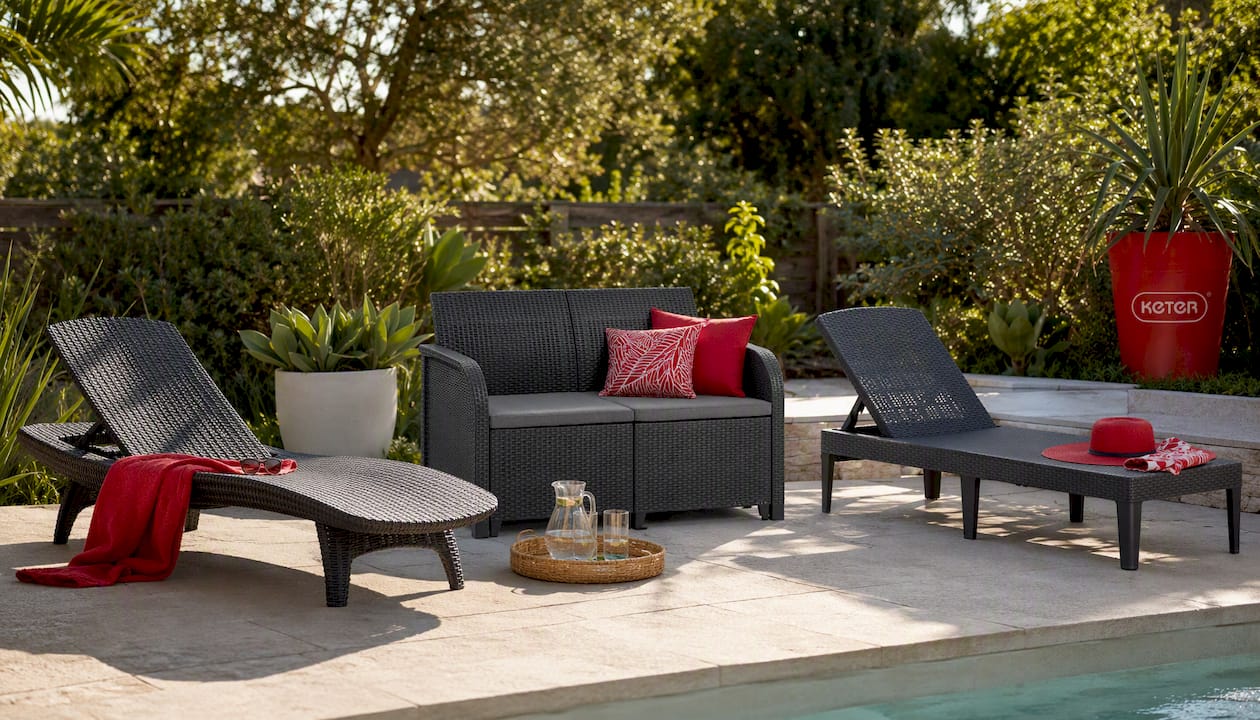
Browse the Rosalie 2 seater Sofa, the Keter Pacific Sun Lounger, and the Keter Jaipur / Marie Outdoor Sun Lounger on the Ketergroup website. Each product page lists the material spec, cushion details, and care instructions so you can check them against the buying criteria in this guide before you add to cart.
Sources
The following resources were used to compile this guide and are worth bookmarking if you want to verify specs or read further.
- How to Weatherproof Furniture - This Old House
- Waterproof & UV-Resistant Outdoor Fabric Guide | Revolution — Revolution Fabrics
- Outdoor Furniture Testing and Certification — UL
- Admiral® | Outdoor Fabrics | Defab
- Olefin vs Sunbrella: Which Outdoor Fabric Is Best?
FAQ
What outdoor furniture holds up best in full Australian sun?
Resin/HDPE and powder-coated aluminium frames with solution-dyed acrylic or Olefin cushions perform best in full Australian sun. These materials resist UV degradation, fading, and corrosion without requiring intensive maintenance.
Can you leave resin outdoor furniture outside all year in Australia?
Yes. Resin and HDPE furniture is designed to stay outdoors year-round, as it does not rust, splinter, or absorb moisture. Using a breathable cover during extended periods of non-use helps preserve colour and surface finish.
What outdoor furniture can you leave out in the rain?
Resin/HDPE and powder-coated aluminium furniture handles rain well without rusting or warping. Cushions with quick-dry reticulated foam and drainage channels recover faster after rain than standard foam cushions.
What is the best material for outdoor furniture in a hot, dry climate?
HDPE, powder-coated aluminium, and teak are well suited to hot, dry conditions because they resist splitting, cracking, and UV degradation. HDPE in particular requires no sealing or oiling, making it the lowest-maintenance option for high-heat positions.


